Grandparents' houses and blind cords: a quick check before a toddler stays
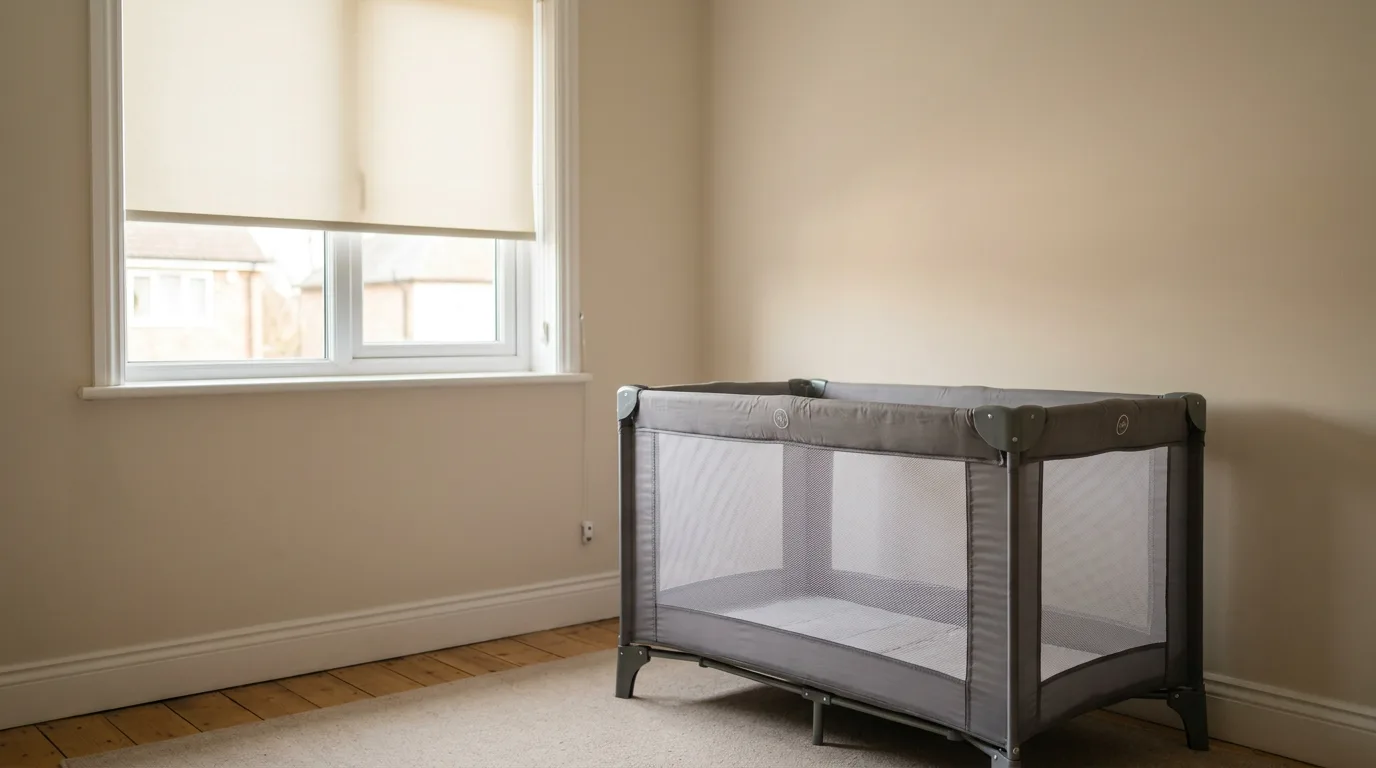
Most advice on blind cords is written for parents checking their own home. But toddlers spend nights and long afternoons at grandparents', aunts' and uncles' houses, and those homes often have the older blinds: looped cords and chains, no safety device, fitted years before anyone there had a small child to think about.
RoSPA, the UK's Royal Society for the Prevention of Accidents, says on its blind cords page that blind cord strangulation happens quickly and silently, and its campaign materials ask relatives as well as parents to know what to look for. Its figures put nine child deaths from blind cords between April 2019 and March 2022. The same precautions apply to any home a young child visits.
For the host: a ten-minute check
- Look for loops. Any cord or chain that forms a closed loop a child can put their head through is the main hazard, as is a single pull cord long enough to be wrapped round a neck.
- Check the guest bedroom first. That is where a child will be alone and out of sight. Then the living room, where they will be on the floor near the window.
- Look at what is under the window. A bed, sofa or cot placed against the wall gives a child a way up to cords that look out of reach from the floor.
- Check for safety devices. Blinds sold in the UK since 2014 should have them built in or supplied, but older blinds often have none, and devices that were fitted are sometimes missing after redecorating.
Quick fixes that need no tools
Short of replacing a blind, there are three things a host can do in an afternoon:
- Move the furniture. Pull cots, beds, playpens and highchairs away from the window. This costs nothing and removes the climbing route.
- Tie up or cleat the cord. A cleat screwed to the wall or window frame keeps the loose cord out of reach. It only works if it is used every time the blind moves, which is the weakness we cover in cleats and tensioners.
- Wind the chain out of reach. A stick-on chain winder takes up the loop so it is not hanging at toddler height, and it goes on a wall without drilling, which suits a host who does not want to put holes in a wall. It does not help with inner cords on Roman blinds; see that guide for what to check instead.
For the parent: what to ask
It can feel awkward to ask relatives to change their house. A practical way to put it is to ask about the room your child will sleep in, not the whole home: “Could we look at the blind in the spare room together?” If you are staying overnight, look at it yourself when you arrive, before bedtime rather than after. If a blind has a loop you cannot sort out, moving the bed or travel cot to a wall with no window is a sensible stopgap.
The same applies to short stays: a holiday cottage or a hotel room has blinds you did not choose either, which is covered in holiday lets and blind cords.
Not sure you are covered? Our FAQ covers how the winder fits and what it does and does not protect against.