Curtain cords and tie-backs: the other cords at the window
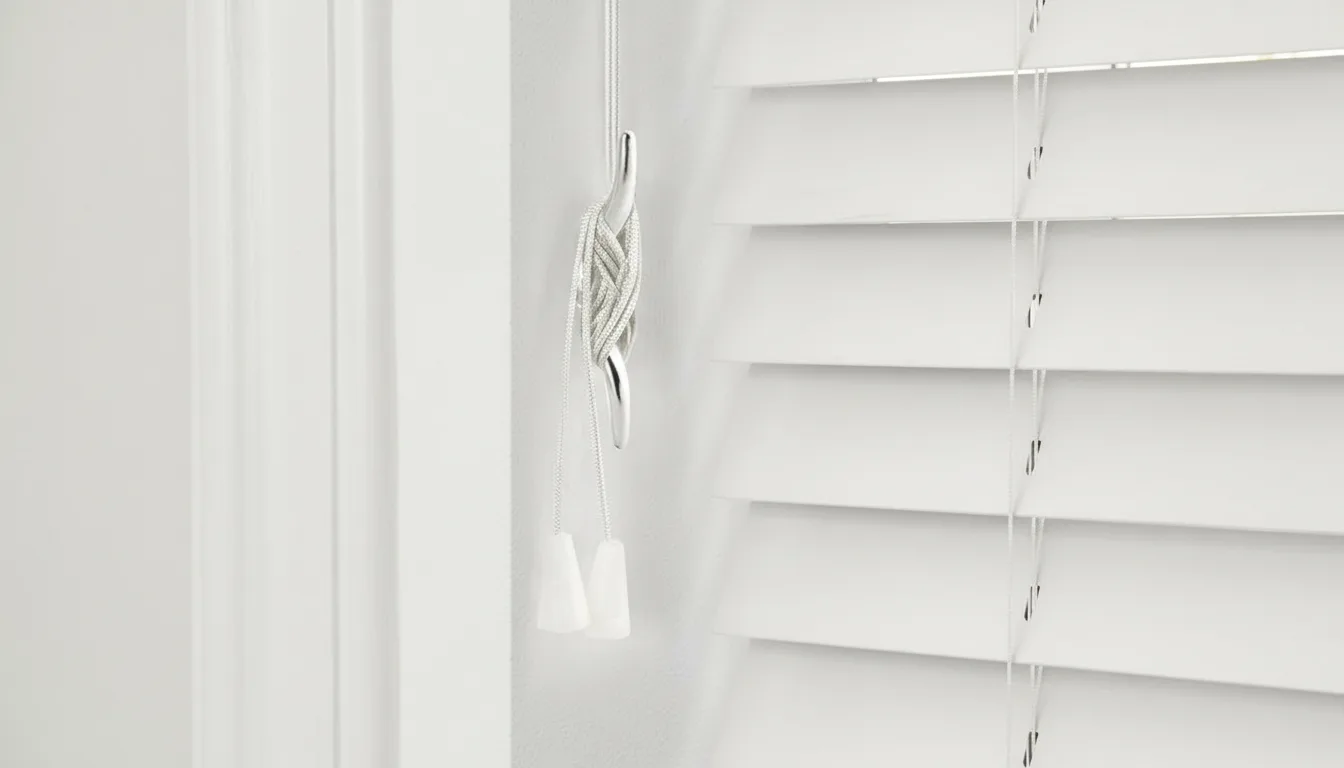
Blind chains get the attention, but curtains have cords too: pull cords, tie-backs and tassels. What RoSPA says to do, and how to check each one.
Short, practical writing about loose blind chains — where to put the winder, how the adhesive actually behaves on a real wall, and what a dangling chain means if you have a toddler or a cat.
Blind chains get the attention, but curtains have cords too: pull cords, tie-backs and tassels. What RoSPA says to do, and how to check each one.
Who the professional-fitting rule actually binds, what the official advice says if you fit your own, and where a stick-on chain winder fits in.
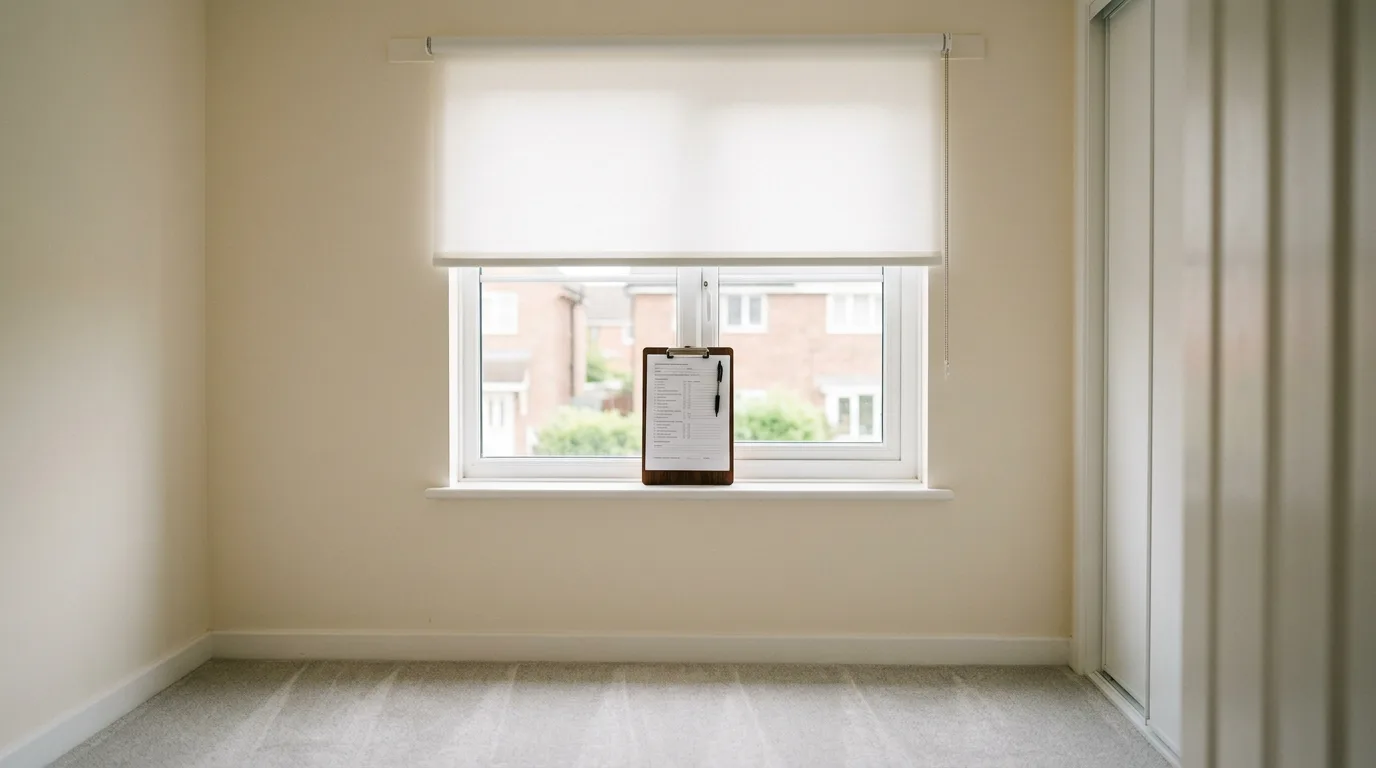
A landlord's check for looped cords and chains at each changeover and inspection, a fix for each blind type, and why a no-drill fix suits a let.
When you move in you inherit the previous owner's blinds, and whatever cords and chains come with them. A first-week check for a home with a toddler, and what to do about each hazard.
Most blind-cord advice is about blinds you already own. If you are buying new ones, these are the questions to ask about BS EN 13120, safety devices and cordless options.
Toddlers spend nights at relatives' homes, which often have older blinds with looped cords. A ten-minute check for the host and quick fixes that need no tools.
Corded blind recalls keep landing. What a recall actually fixes, why cords keep being recalled, and two ways to make a blind you already own safer today.
Most blind cord advice is about buying. This is for the blinds you already have: what to check at each window, which rooms matter most, and what to do about each hazard you find.
A chain winder deals with the loop you pull. Roman blinds also have inner cords you never touch, and a winder does not change those. What they are and what to check instead.
A holiday let means sleeping in a bedroom whose blinds you did not choose. What hosts should check before guests arrive, and what a guest with a small child can do on the first night.
Not banned, but with conditions. New blinds must be safe by design or come with a safety device; older blinds are not covered. What that means for you.
Blinds sold in the UK with a loop must come with a cleat, tensioner or breakaway connector. The European standard itself says such devices cannot be considered foolproof — here is what that means in practice.
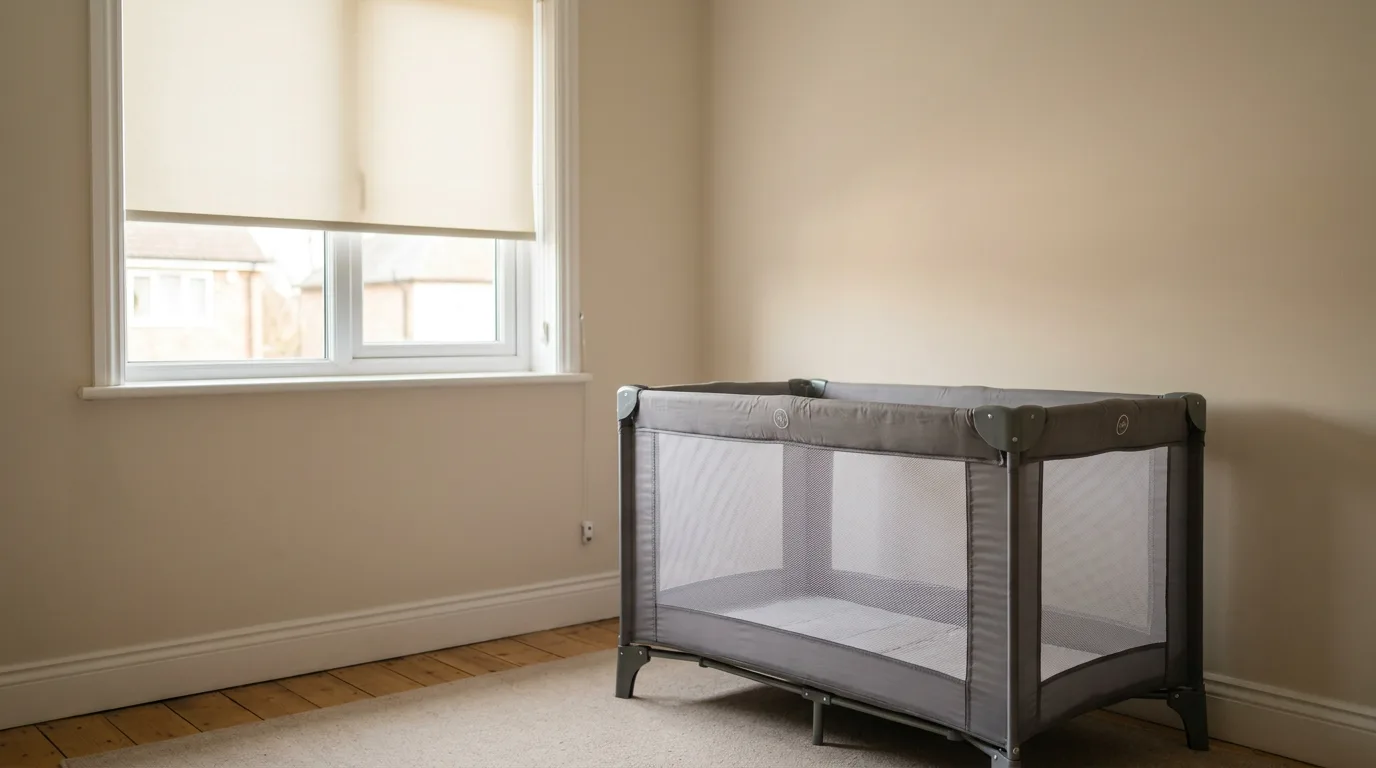
Most blind cord advice is about the cord. RoSPA also says to move cots, beds and furniture away from windows, because furniture adds to a child's reach.
The real UK and US figures on blind cord strangulation deaths and near-misses, sourced and dated — what RoSPA and the CPSC actually report, and what the numbers do and don't tell you.
What Ofsted risk assessments, fostering agency guidance and nanny/au pair safety checklists actually require on blind cords — and what you can fix yourself without drilling.
A dangling blind chain has three practical fixes, not one. What winding it up, cutting it short, and fitting a breakaway connector each actually do — and where each one falls short.
A dangling blind cord in a rented home sits in an odd bit of no-man's-land — here's what HHSRS actually requires of a landlord, and what a tenant can fix themselves without permission.
Blind cord safety is regulated almost everywhere, but the rules mostly bind the people who make and sell blinds, not the people who live with them. A country-by-country reference for landlords and letting agents.
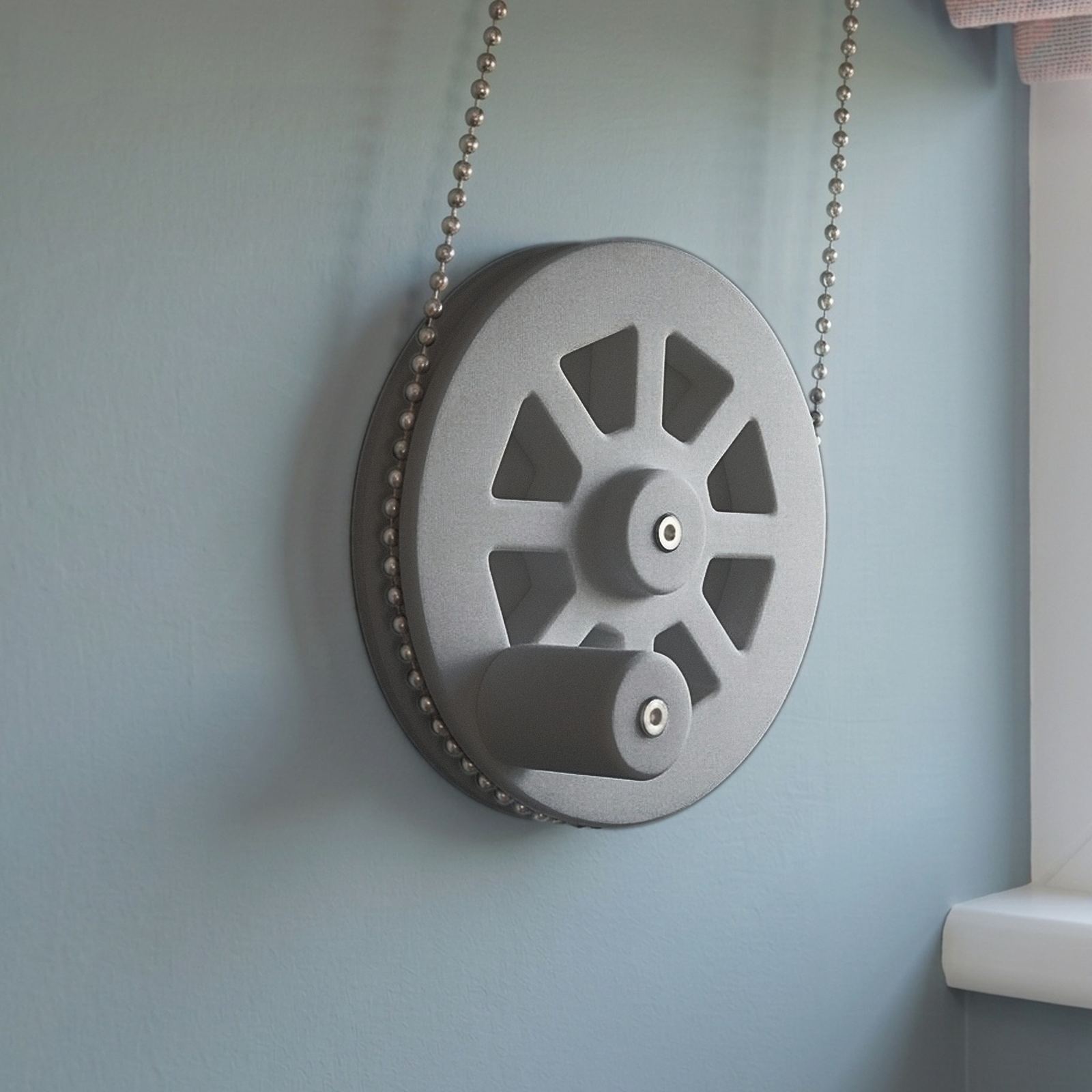
The winder itself is simple. Getting it to stay put for years is about the three minutes before you stick it on: how high, which bit of wall, and how long you leave it before hanging a chain on it.
Blind cord safety is written almost entirely around children. Cats and dogs get into the same loop for entirely different reasons, and the fix is the same one.